
Staying Power: The Case for Educator Stability
The impact of workforce turnover in Australia’s ECEC sector and what it means for children.
Australia’s early childhood education and care (ECEC) system is built on relationships.
The connections between children and the adults who care for, teach and support them each day are the foundation of children’s development, learning and wellbeing.
When those relationships are strong and consistent, children thrive.
But when they are disrupted, the impact can be lasting.
The Staying Power analysis brings together multiple data sources to build a system-level view of educator stability. It integrates workforce, service and quality data to understand how stability is distributed across the sector and how it relates to quality.
Data was drawn from publicly available sources, including ACECQA’s National Quality Standard (NQS) ratings data, the Early Childhood Education and Care National Workforce Census, and other national datasets, research and reports. These were used to examine workforce composition, tenure, employment arrangements and service characteristics.
Services were analysed by NQS rating to compare higher and lower performing services, along with persistently under-performing centres. This enabled a focus on differences between services rated Exceeding and those rated Working Towards, particularly in staffing arrangements and employment conditions.
This approach moves beyond isolated workforce or quality measures to understand stability as a system issue, shaped by the interaction between workforce conditions, service characteristics and policy settings.
Workforce instability is widespread across the sector
Annual turnover sits between 17 and 32 per cent, significantly higher than the broader workforce. Tenure is short, especially in long daycare, with around 70 per cent of educators at their service for three years or less, and staffing gaps are common, with nearly 60 per cent of services reporting at least one vacancy.
The workforce is increasingly early-career
More than half of educators in long daycare have six years of experience or less, and fewer than one in three have more than ten years of experience. This has implications for capability, continuity and the ability to sustain high-quality practice over time.
Casualisation is a growing feature of the system
Around 27 per cent of educators in long daycare are employed casually, compared to lower rates in preschool and the broader labour market. While some flexibility is necessary, a heavy reliance on casual staff contributes to instability and limits continuity for children and teams.
Stability and quality are closely connected
Services rated Exceeding are more likely to have stable, experienced workforces and stronger employment conditions, including above-award pay, planning time and access to professional learning. These services also perform more strongly in areas related to staffing, relationships and leadership.
Lower-quality services face compounding challenges
Services rated Working Towards are more likely to rely on award-level pay and individual arrangements, with 83 per cent employing staff under these conditions. These services are also more likely to experience staffing challenges and instability, reinforcing weaker outcomes.
Stability shapes children’s experience
Stable educators support consistent relationships, safer environments and higher quality learning. Where stability is lacking, children’s development is affected, particularly for those experiencing disadvantage.
This is compounded by the fact that persistently underperforming services are more likely to be in disadvantaged communities, with 53 per cent of services rated Working Towards for two consecutive cycles located in SEIFA areas 1–3.
Data collected in 2024 revealed a sector under strain
Over a third
of early childhood educators are leaving services every year
of services reported staff turnover in the previous month
of services had at least one vacant position
Annual educator turnover rates are estimated to sit between 17 and 32 per cent, compared to 12 to 20 per cent across the Australian workforce.
This level of movement means that many children experience frequent changes in the adults around them during some of the most important years of their development.
Vacancies across ECEC through the years

Source: Jobs and Skills Australia Internet Vacancy Index
Workforce stability and service quality are deeply connected. Services experiencing high turnover often face greater challenges in maintaining consistent practice, building strong teams, and delivering high-quality education and care.
When staffing is unstable, it becomes harder to embed quality improvements over time. New or changing educators need time to understand expectations, build relationships, and develop their practice.
Without consistency, progress stalls.
9% of all ECEC services are currently rated Working Towards by the National Quality Framework
of Working Towards centres improve their NQS rating at reassessment
do not improve their NQS rating at reassessment
remained at Working Towards for two rounds of assessment
Qualifications and experience
of staff don't have qualifications in a relevant field
are very new to the sector with 3 years or less experience
of educators have 10 years or more experience
have 6 years or less experience
of staff working with children in long daycare don't have a qualification
of educators have been at their current centre for 3 years or less
Casualisation
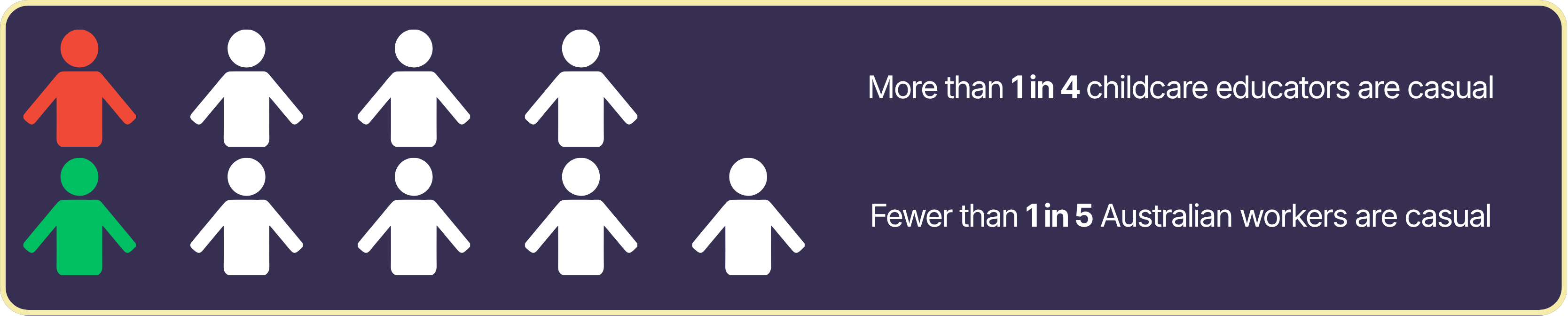
Casual staffing plays an important role in ECEC. It allows services to respond to fluctuations in attendance and provides flexibility for some educators. However, high levels of reliance on casual and agency staff are a clear signal of deeper workforce instability.
In Australia, casualisation is higher in childcare than in most other occupations. While fewer than one in five workers across the broader labour market are casual, more than one in four childcare educators are employed on a casual basis. This includes 27.1 per cent of qualified educators, compared to just 8.9 per cent of qualified preschool teachers.
Excessive reliance on casual staffing can affect both quality and safety. High turnover, frequent use of agency staff, staffing waivers, and gaps in recruitment and vetting processes increase risks for children. Reviews of recent safety incidents have found that breakdowns in supervision and accountability are often linked to workforce instability and lack of continuity.
As roles are stretched to cover gaps, educators have less time for planning, supervision and relationships, creating a cycle of fatigue and further attrition.
Overdue assessments
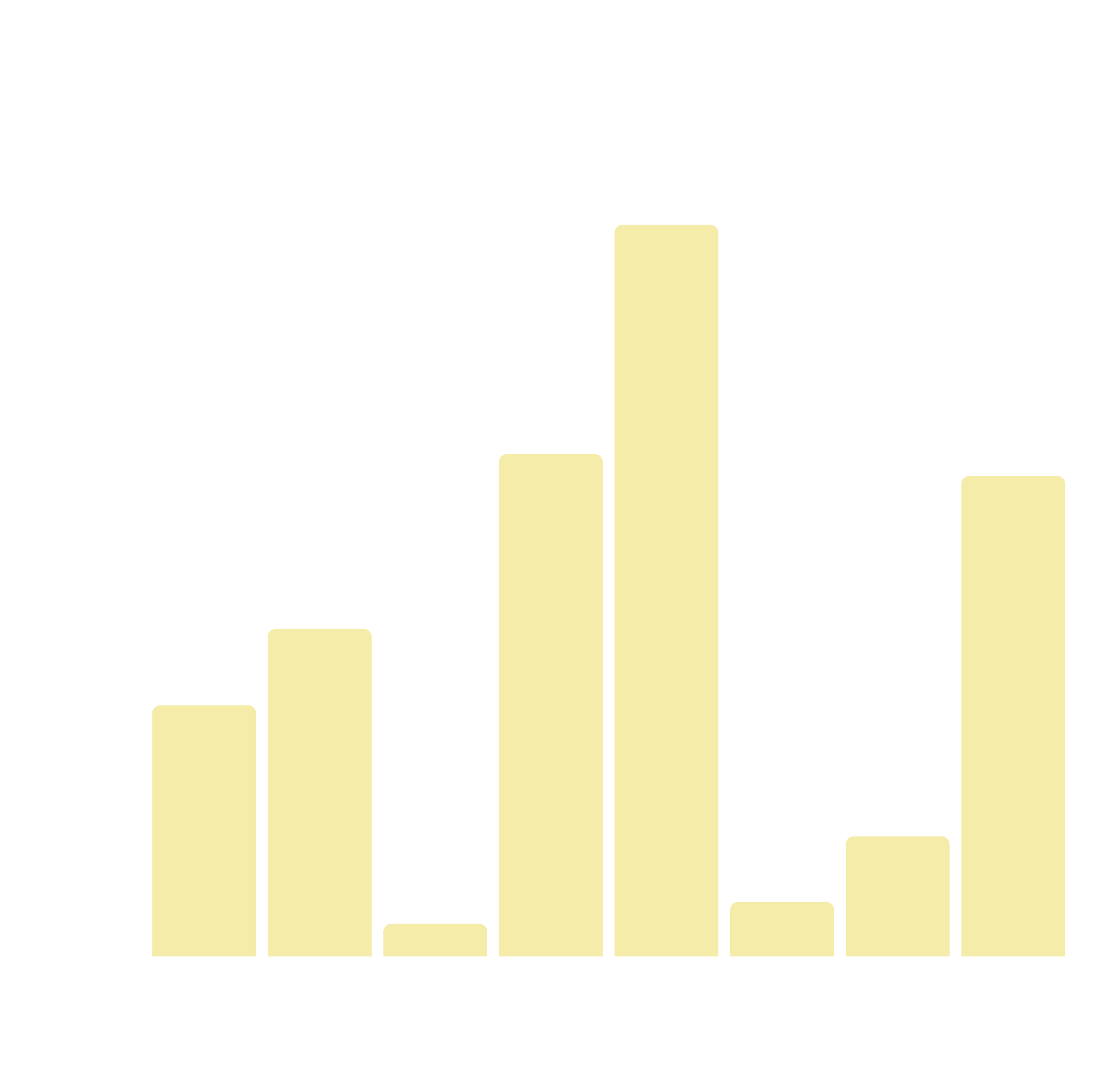
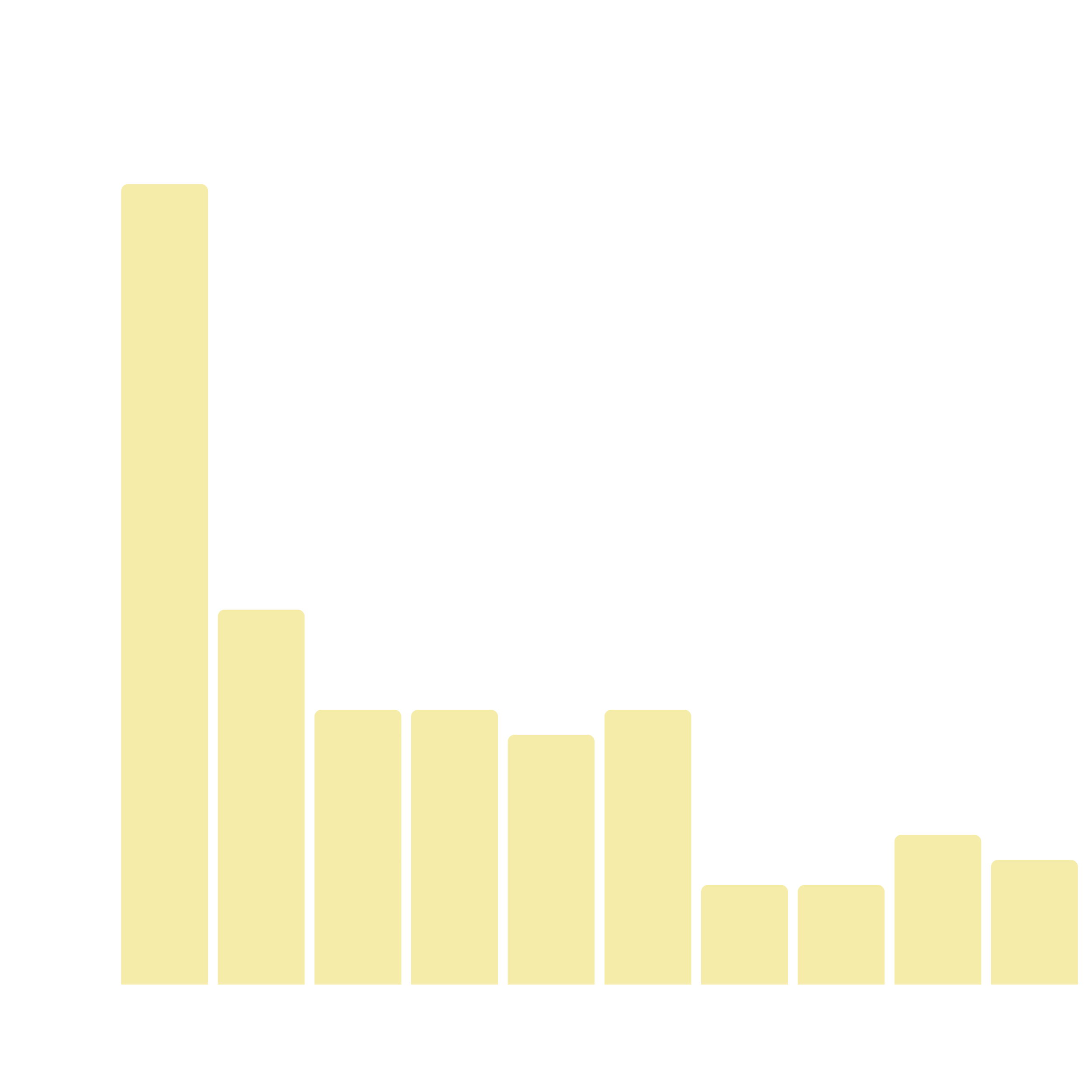
A group of ECEC services remain below the National Quality Standard for years without improvement, often in communities with the least access to alternatives. A quarter of below-quality services have not been reassessed for 4 to 8 years, and many remain stuck at Working Towards across multiple assessment cycles.
These services are disproportionately located in disadvantaged areas, meaning children who already face barriers are more likely to experience lower quality care for longer.
Source: NQS Q3 2025 quarterly split data
Source: NQS Q3 2025 quarterly split data
5 Things Government Could Do

- Provide sustained, transparent fundings for wages and conditions
- Strengthen workforce stability requirements and incentives
- Reform the use and oversight of staffing waivers
- Target intensive support to services persistently rated Working Towards
- Improve career pathways, leadership capability and retention
We need to invest in an early childhood sector that keeps the same, well-supported adults with the same children, more of the time.
That means strengthening leadership, improving working conditions, ensuring high-quality training, and building a workforce that is supported to stay.
Because early childhood education and care is, at its core, a system built on relationships.
Workforce instability is one of the biggest challenges facing the ECEC sector. But turnover is not just a workforce issue. It is shaped by the conditions educators work in every day.
Our companion report, The Hidden Lever, explores this in more detail. It finds a clear link between better pay, conditions and support for educators, and higher-quality services, particularly in communities where children have the most to gain. In these settings, stronger workforce conditions are associated with better service quality and, in turn, better outcomes for children.